Showing posts with label Health. Show all posts

Sunday, October 5, 2025

CDC ACIP meeting on Sep. 18-19, 2025 regarding COVID-19 vaccines

Supporters of the KMT and CCP in Taiwan have once again begun spreading bizarre rumors, claiming, "The US CDC ACIP announced at its September 19, 2025 meeting that long-term safety uncertainties exist for the COVID-19 mRNA vaccine. With an overwhelming vote of 12 in favor, 0 against, and 0 abstentions, the recommendation for universal vaccination of the COVID-19 vaccine has been completely terminated." They then criticize the Taiwan CDC for inaction.

I've looked up the CDC ACIP meeting materials and conclusions from September 18, 2025 to September 19, 2025, as well as reports from CBS News. Whether vaccines are beneficial or harmful to the body is a matter of scientific research and should not be used as a tool for political warfare.  I'm not sure what the KMT and CCP supporters are trying to accomplish with these statements. They used rumors to try to discredit the Taiwan CDC and Medigen COVID-19 protein vaccine before, and they're now using them to discredit the CDC's epidemic prevention policies. Their tactics are exactly the same.

臺灣的藍白紅(國民黨及中共)支持者又開始在傳奇怪的謠言,謠言中宣稱 "美國 CDC ACIP在 9/19/2025 會議中宣布新冠 mRNA疫苗長期存在安全不確定性 以12票贊成、0票反對、0棄權,壓倒性的無異議,徹底終止對於新冠疫苗的普遍接種建議。"然後抨擊臺灣CDC無所作為。

我去查了 CDC ACIP 9/18/2025-9/19/2025 會議資料及結論,以及美國 CBS News 的報導,和請大家自評吧。疫苗對身體是否有益或有害,這是科學研究,不應該變成政治鬥爭的籌碼。不知道藍白紅支持者現在放出這樣的言論是要做什麼,當初他們用謠言想盡辦法要打死臺灣的 CDC 及 高端-蛋白質疫苗時,和現在想要繼續用謠言打死臺灣CDC的防疫政策,作法如出一轍。

https://www.cdc.gov/acip/downloads/agendas/final-posted-2025-09-19-508.pdf
https://www.cdc.gov/acip/meetings/upcoming.html
https://www.cdc.gov/acip/meetings/presentation-slides-september-18-19-2025.html
https://youtube.com/live/-6uBNXsYRHQ?feature=share
https://youtube.com/live/_9ChY9SpPlY?feature=share

-------------------
Based on CBS News, the CDC ACIP meeting on 9/19/2025 voted on their recommendations: 

1. The Advisory Committee on Immunization Practices, or ACIP, voted Friday on changes to COVID-19 vaccine recommendations.
2. The panel voted against recommending that a prescription be a requirement for COVID-19 vaccination. It also voted against recommending the vaccine for all adults, instead leaving it up to individuals.
(https://www.cbsnews.com/live-updates/cdc-vaccine-advisory-panel-covid-19-hepatitis-b-vaccines/)

Read more!

Monday, July 7, 2025

Taiwan's National Health Insurance and Long-term Care should not be used to prolong ineffective medical treatment

Although it may sound a bit cruel, for those who have to stay in bed forever and cannot take care of themselves in the future, should there be an exit mechanism to end this pain, rather than asking their relatives to sacrifice their own lives or use limited welfare and medical resources to continue to support them indefinitely? Taiwan's National Health Insurance and Long-term Care have good intentions, but if they are only used as a source of funding to prolong ineffective medical treatment, is this really appropriate?

雖然這樣說起來有點殘忍,對於這種只能長期臥床且生活無法自理的人,是否應該制定退場機制而讓這段痛苦可以結束,而不是要求其親屬犧牲自己的生活或用有限的照福及醫療資源無限期的持續維生下去。臺灣的健保及長照立意良好,但是如果只是被拿來做為延長無效醫療的經費來源,這樣真的適合嗎?

在臺灣,一位旁系二等血親的長輩A只有一個已婚且過世的女兒,A因為中風無人照顧被送到安養院。由於A完全沒有存款可支付自己的安養費,目前由A的姊姊B自願(或被迫)從自己的養老經費中拿錢出來負擔安養院照顧的所有費用,其他兄弟姊妹都不願或無能負擔費用。

如果B早於A死去,那A的照護費用將由誰負責,經查詢在臺灣民法第1114-1121條針對扶養的規範,扶養義務主要基於血親關係,基本上順位如下:

1. 直系血親尊親屬:也就是A的父母
2. 直系血親卑親屬:也就是A的子女、孫子女及外孫子女
3. 兄弟姊妹:A的兄弟姊妹
4. 女婿及子婦:A的女婿或媳婦
5. 政府的社會福利體系來負責

民法規範了扶養義務,是法律上規定的身份關係義務,不能像繼承權一樣輕易被「拋棄」,不過民法第1118條有「減輕或免除扶養義務」的規定。如果扶養義務人的經濟能力困難,以至於扶養 A 會導致自己生活陷於困難,得向法院聲請減輕或免除其扶養義務。法院會審酌雙方的經濟狀況、生活程度、扶養能力以及雙方關係等因素來做出判斷。

--------------
以下為臺灣的民法中關於扶養的條文(https://law.moj.gov.tw/LawClass/LawAll.aspx?pcode=B0000001):
第 1114 條
左列親屬,互負扶養之義務:
一、直系血親相互間。
二、夫妻之一方與他方之父母同居者,其相互間。
三、兄弟姊妹相互間。
四、家長家屬相互間。
第 1115 條
負扶養義務者有數人時,應依左列順序定其履行義務之人:
一、直系血親卑親屬。
二、直系血親尊親屬。
三、家長。
四、兄弟姊妹。
五、家屬。
六、子婦、女婿。
七、夫妻之父母。
同係直系尊親屬或直系卑親屬者,以親等近者為先。
負扶養義務者有數人而其親等同一時,應各依其經濟能力,分擔義務。
第 1116 條
受扶養權利者有數人,而負扶養義務者之經濟能力,不足扶養其全體時,依左列順序,定其受扶養之人:
一、直系血親尊親屬。
二、直系血親卑親屬。
三、家屬。
四、兄弟姊妹。
五、家長。
六、夫妻之父母。
七、子婦、女婿。
同係直系尊親屬或直系卑親屬者,以親等近者為先。
受扶養權利者有數人而其親等同一時,應按其需要之狀況,酌為扶養。
第 1116-1 條
夫妻互負扶養之義務,其負扶養義務之順序與直系血親卑親屬同,其受扶養權利之順序與直系血親尊親屬同。
第 1116-2 條
父母對於未成年子女之扶養義務,不因結婚經撤銷或離婚而受影響。
第 1117 條
受扶養權利者,以不能維持生活而無謀生能力者為限。
前項無謀生能力之限制,於直系血親尊親屬,不適用之。
第 1118 條
因負擔扶養義務而不能維持自己生活者,免除其義務。但受扶養權利者為直系血親尊親屬或配偶時,減輕其義務。
第 1118-1 條
受扶養權利者有下列情形之一,由負扶養義務者負擔扶養義務顯失公平,負扶養義務者得請求法院減輕其扶養義務:
一、對負扶養義務者、其配偶或直系血親故意為虐待、重大侮辱或其他身體、精神上之不法侵害行為。
二、對負扶養義務者無正當理由未盡扶養義務。
受扶養權利者對負扶養義務者有前項各款行為之一,且情節重大者,法院得免除其扶養義務。
前二項規定,受扶養權利者為負扶養義務者之未成年直系血親卑親屬者,不適用之。
第 1119 條
扶養之程度,應按受扶養權利者之需要,與負扶養義務者之經濟能力及身分定之。
第 1120 條
扶養之方法,由當事人協議定之;不能協議時,由親屬會議定之。但扶養費之給付,當事人不能協議時,由法院定之。
第 1121 條
扶養之程度及方法,當事人得因情事之變更,請求變更之。

Read more!

Tuesday, June 17, 2025

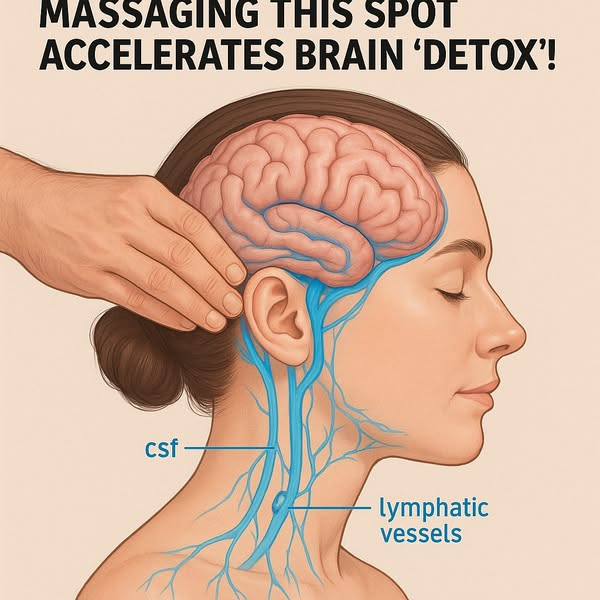
Does stimulating the lymphatics under skin on the neck and face enhance brain waste clearance?

This is a recent publication on the Nature. Is it true? If it is true, then we should celebrate this new discovery and do it ourselves daily.

1. Hokyung Jin et al., Increased CSF drainage by non-invasive manipulation of cervical lymphatics. Nature (2025) https://doi.org/10.1038/s41586-025-09052-5
2. New non-invasive method discovered to enhance brain waste clearance. Retrieved June 5, 2025 from https://www.eurekalert.org/news-releases/1085928

如果真的可以靠簡單的按摩來排除腦內累積的廢物,那真是應該要天天自己動手。


Read more!

Thursday, May 22, 2025

Hospital things

Today, as usual, I went to the family clinic to check my blood test report (twice a year) and pick up my chronic prescription (once every 8 weeks). I encountered a few really frustrating things.

1. Someone would constantly cough violently, take a break, and then continue coughing. It's fine to see a doctor for a persistent cough, but she'd pull down her mask every time she coughed.

2. Because the doctor was seeing patients so slowly, some people started asking the nurses if they could be seen first, and then one led to another, and another.

3. While waiting in line for medication, someone tried to cut in from the side. Didn't they see everyone else queuing up?

4. A Chinese person came to pick up a 3-month supply of medication to take back to China.


今天照慣例去家醫科看抽血檢查報告(每年2次)及慢性病拿慢性病處方簽(8週1次),遇到了幾件令人很無奈的事情。
1. 有人不時就猛力咳嗽一頓,休息一下,之後又繼續咳。本來久咳不癒來看醫生沒問題,但是他是每次咳嗽就將口罩拉下來。
2. 因為醫師看診速度太慢,就有人開始跟護理師說希望能先處理他的,然後有一就有二,有二就有三。
3. 排隊等著領藥時,有人就從旁邊想要插隊進來。沒看到大家都在排隊嗎?
4. 一位中國人來拿3個月的藥帶回中國。

Read more!

Tuesday, March 12, 2024

Paper: Light stimulation of mitochondria reduces blood glucose levels

This is the abstract of paper published on Feb. 20, 2024 on Journal of Biophotonics: Light stimulation of mitochondria reduces blood glucose levels

Is it true that we could reduce blood sugar level by exposure to 670 nm red light?

<Abstract>
Mitochondria regulate metabolism, but solar light influences its rate. Photobiomodulation (PBM) with red light (670 nm) increases mitochondrial membrane potentials and adenosine triphosphate production and may increase glucose demand. Here we show, with a glucose tolerance test, that PBM of normal subjects significantly reduces blood sugar levels. A 15 min exposure to 670 nm light reduced the degree of blood glucose elevation following glucose intake by 27.7%, integrated over 2 h after the glucose challenge. Maximum glucose spiking was reduced by 7.5%. Consequently, PBM with 670 nm light can be used to reduce blood glucose spikes following meals. This intervention may reduce damaging fluctuations of blood glucose on the body.

https://doi.org/10.1002/jbio.202300521

Read more!

Monday, July 4, 2022

Losing ourselves

No one was working in the lab at night and on weekends when I studied in the USA.  Security guards even came to drive people home after 7 pm at the USDA.

When working in Australia, people started to leave work from 4:00 pm, and almost no one stayed in the laboratory after 6:00 pm.

At TORI, it is basically the same, people work on regular working hours.  But in the industry, the boss or the cooperative team expects employees to be available and work at night and on weekends. Why! Is the quality of life so unimportant?  What have we achieved while losing ourselves?

I want to get myself back.  I have to change because I don't need to be alive if my life has no me in there.

以前在美國時,到了晚上及週末,實驗室就沒人在工作了。在USDA待超過晚上7點時,警衛就來趕人回家。

在澳洲工作時,下午4點開始就陸陸續續有人開始下班,6點過後幾乎沒人還會待在實驗室。

在 TORI時,基本上也是如此,但是到了業界,業主或老闆或合作團隊都期待員工可以24小時工作和待命。為什麼啊!難道生活品質這麼不重要?在失去自我的同時,我們到底成就了什麼?

Read more!

Sunday, July 3, 2022

Endless noise

It's a world full of noise, including noise from auditory, visual, and olfactory. 

I am tired of hearing, seeing, and smelling all of these. I don't understand why a person needs to use a loud voice to talk to me when I stand just next to the person.  I don't understand why people need to use super blight flashing neon lights to attract customers, drivers use very bright head and tail lights everywhere.

I'm envious of people who can shut off their five senses anytime at will.

Read more!

Wednesday, June 1, 2011

Cell Phone is listed as a Carcinogenic Hazard

I used to have 2 cell phones. I don't have anyone now because I don't want to use it and I prefer to have my own private life. I hope nobody will force me to get one in the future.

WHO: Cell phone use can increase possible cancer risk
By Danielle Dellorto, CNN (May 31, 2011)


Radiation from cell phones can possibly cause cancer, according to the World Health Organization. The agency now lists mobile phone use in the same "carcinogenic hazard" category as lead, engine exhaust and chloroform.

A team of 31 scientists from 14 countries, including the United States, made the decision after reviewing peer-reviewed studies on cell phone safety. The team found enough evidence to categorize personal exposure as "possibly carcinogenic to humans."
What that means is they found some evidence of increase in glioma and acoustic neuroma brain cancer for mobile phone users, but have not been able to draw conclusions for other types of cancers

"The biggest problem we have is that we know most environmental factors take several decades of exposure before we really see the consequences," said Dr. Keith Black, chairman of neurology at Cedars-Sinai Medical Center in Los Angeles.

"What microwave radiation does in most simplistic terms is similar to what happens to food in microwaves, essentially cooking the brain," Black said. "So in addition to leading to a development of cancer and tumors, there could be a whole host of other effects like cognitive memory function, since the memory temporal lobes are where we hold our cell phones."

.....

Read more!

Thursday, March 10, 2011

Algae

I am interested in algae. There are microalgae and macroalgae. Seaweed is one of macroalgae. Seaweed and marine algae can be a daily vegetable, valuable nutrients and health food, aquaculture food, ingredient in cosmetic sunscreen, etc., provide a clue while searching anti-malaria drug, or a bio-factory of biofuel.

================
Marine algae by Dr Alan J.K. Millar, Principal Research Scientist & Yola Metti (The Royal Botanic Gardens and Domain Trust)

My research work with the Royal Botanic Gardens & Domain Trust has resulted in the discovery of more than 50 new species of seaweeds. When you're in the Royal Botanic Garden look over the wall into Farm Cove and if it’s low tide you may be able to spot the seaweeds below - especially one that looks like green fettucini, called Caulerpa filiformis, and also a brown kelp called Ecklonia radiata. These are just two of the 2000 different species of seaweeds we have in Australia - the continent with the richest seaweed flora on earth.

=======================

Dr Nicholas Paul, James Cook University, Townsville, QLD, AU

I have a broad interest in the biology of aquaculture organisms, and specifically the role that seaweeds (macroalgae) play in sustainable aquaculture. One of my goals is to deliver cost-effective and robust forms of integrated aquaculture to the diverse types of aquaculture in tropical Australia. I have worked extensively on the interactions between seaweeds and their environment (including herbivores), which will be integral to establishing a productive and valuable seaweed industry in Australia.
=============

Seaweed clues to anti-malaria drug (23rd February 2011, The Queensland Times)
SEAWEED emits a natural chemical response to ward off fungi that would otherwise colonise an injured plant, a process that could help the search for anti-malaria drugs, a US scientist says.

SEAWEED DEFENSE OFFERS CLUES AGAINST MALARIA (NSW government, February 22, 2011)
WASHINGTON (AFP) - Seaweed emits a natural chemical response to ward off fungi that would otherwise colonize an injured plant, a process that could help the search for anti-malaria drugs, a US scientist said Monday.
=====================

Seaweed Extract: Marrawah GOLD™ Seaweed Extract
Seaweed (kelp) has been used as a rich source of organic plant nutrients for centuries. Seaweed contains numerous minerals and every essential trace element, simple and complex carbohydrates, and a number of plant growth hormones.
=====================

COSMETICS BECOMING 'GREENER' (The West Australian, April 5, 2010)
"Marine algae work far better against the sun than synthetic sunscreens," Mr Roussis said.

The good news for animals is that research increasingly is tested on bits of reconstructed human skin, made from human foreskin cells (keratinocytes) from one or several donors, grown in-vitro for between a week and a month.
=============

Australia government - Department of Sustainability, Water, Population and Communities - Australian Biological Resources Study

Algae databases and online resources
Algae of Australia Glossary (Last updated: Monday, 26-Oct-2009)
Compiled by John M. Huisman & Timothy J. Entwisle
This glossary contains terms likely to be used in volumes of the Algae of Australia. References used in its compilation are given at the end of the chapter. Where possible, the definitions conform with those in the Flora of Australia and Fungi of Australia, but some have meanings peculiar to algae. Specialised terms will be included in the relevant volumes.
=============================

Algal Production Group in SARDI, South Australia government
The Algal Production group is focused on providing practical and cost effective Algal Production Systems (APS) for use in aquaculture, nutrient remediation, nutraceuticals, bioenergy and in biofixation of carbon. The group is committed to delivering to its clients concept design, laboratory testing, proof-of-concept scale trials and pilot commercial scale trials. This is achieved using in-house skills, collaborations and specialised infrastructure.

======================

Defining Micro and Macro Algae
Microalgae: small microscopic aquatic photosynthetic plants that require the aid of a microscope to be seen.
In a previously posted Web article written by Nick Dakin titled Algae Enhancement, when addressing the topic of Micro vs Macro, he stated that, " 'Micro' applies to single-cell or groups of cells joined together. Their existence may be encountered as drifting phytoplankton or substrate occupiers and include the nuisance forms of 'slime' algae, as well as the welcome rock encrusting calcareous forms".
So, if these algae are microscopic, then why can you see them in your aquarium? This is easy. When these single-celled microscopic algae organisms join or chain themselves together in large enough numbers, they then become visible to the unaided human eye.

Even though red slime (cyanobacteria), brown (diatom) and some dinoflagelattes are not "true" algae at all, these fall into the microalgae category.

Macroalgae: large aquatic photosynthetic plants that can been seen without the aid of a microscope.
Nick Dakin further explained in his Micro vs Macro discussion that," 'Macro' always refers to the larger species and can easily be recognizable as plants. These are generally the ones that attract the marine aquarist."
Macroalgae come in many colors including green, red, brown and blue, as well as in a variety of forms - some growing tall, with others growing as mats. The most familiar types can be generally divided into three groups: Green (Chlorophyta), Red (Rhodophyta), and Brown-Kelps (Phaeophyta - related to Chromista).

Read more!

Sunday, January 9, 2011

Chia (Salvia hispanica)

I thought that I have put information of chia in my blog when I first saw it on ABC Landline, but I didn't find it. Anyway here it is. If it can grow well in Australia, then it should be able to grow in Taiwan. Hmmm, spelt (Triticum spelta) (a hexaploid species of wheat) and lupin (aka Lupinus or lupines, a genus in the legume family (Fabaceae)) might be also good for health.

Salvia hispanica
Scientific classification
Kingdom: Plantae
(unranked): Angiosperms
(unranked): Eudicots
(unranked): Asterids
Order: Lamiales
Family: Lamiaceae
Genus: Salvia
Species: S. hispanica
Binomial name
Salvia hispanica
L., 1753

Salvia hispanica, commonly known as Chia, is a species of flowering plant in the mint family, Lamiaceae, native to central and southern Mexico and Guatemala. Folklore attests it was cultivated by the Aztec in pre-Columbian times, and was so valued that it was given as an annual tribute by the people to the rulers. It is still used in Mexico and Guatemala, with the seeds sometimes ground, while whole seed is used for nutritious drinks and as a food source.
===============

Chia: The Ord Valley's new super crop By Matt Brann from Kununurra , WA (ABC, Wednesday, 17/09/2008)
From humble trials a few years ago the Ord Valley in Western Australia's far north has now become the largest producer of chia in the world.
The crop originates from Mexico, looks like lavender and produces an oil seed which is rich in omega 3.
Around 750 hectares of chia was grown in the Ord this year and the majority of the seed will be exported to the US.

===============================

Chiatah @ globalinkinvestment


Vitamins, Minerals, Trace Elements & Gluten
Chiatah is wholefood packed with wide range of vitamins, minerals and trace elements, in particular:

• Calcium - ensures strong bones and teeth as well as the proper functioning of neuromuscular and cardiac function.

• Iron - is a component of a number of proteins, most importantly haemoglobin which transports oxygen to tissues throughout the body, in particular from the lungs to the muscles and other organs.

• Magnesium - aids in the body's absorption of calcium and also plays a key role in the strength and formation of bones and teeth. Magnesium is also vital for maintaining a healthy heart by stabilising heart rhythm and helping prevent abnormal blood clotting.

• Phosphorus - supplies the body with phosphate, and phosphate is a main component of bone structure. Phosphorus is necessary to maximise the benefits of calcium and can also help maintain the health of the kidneys and regulate fluid levels in the body.

• Potassium - helps to regulate blood pressure, to keep the right balance of water in fat and muscle tissues and ensures the proper functioning of cells.

Chiatah is gluten free. Gluten is a protein found in grains such as wheat, rye, barley. Some people cannot tolerate gluten when it comes in contact with the small intestine in a condition known as celiac disease.
=============

Chia, The Superfood for Modern Times - Chia Seeds Benefits
Adding 3 Teaspoons Per Day* To Your Daily Food Intake Is All You Need to Enjoy The Benefits of Chia: (*based on normal Body Mass Index)

* Get the highest levels of plant-sourced Omega-3: Alpha-Linolenic Acid (ALA). ALA is found mostly in seeds, vegetable oils, and leafy green vegetables. It is converted into EPA (Eicosapentaenoic Acid) and then into DHA (Docosahexanoic Acid) in your body. Not all people can efficiently convert ALA into EPA and DHA, but ALA by itself provides a host of benefits. (For more information on ALA, click here.)

* Multiply antioxidant activity in your body. Powerful antioxidants from chia seeds work against free radicals that damage millions of our cells by the minute. (For more information on chia's antioxidants, click here.)

* Provide your food with all-natural, nutritious dietary fibre (some fibre have minimal nutrition and can interfere with mineral absorption in the gut). A natural, high quality fibre can support weight maintenance goals, and could reduce the risks of cardiovascular disease, colon cancer, and diabetes.

* Obtain a plant-based complete protein with an amino-acid score of 115%. (Read about the benefits of chia's amino-acids here.)

* Provide your diet with a thermogenic aid which boosts your metabolic rate. A thermogenic aid causes your body to produce more than the normal amount of energy, and so burns more calories. (Read it here.)

* Provide your diet with favorable Omega-3 to Omega-6 ratio (3:1). Currently, most foods found in supermarkets today have ratios of 1:15-30 which increases the risk of inflammation. (Read why you should care about this here.)

Have a good amount of functional food in your daily diet.
===============

Chia Seeds by David Mendosa onThursday, December 13, 2007
============

What is Chia?

Chia is Nature's Complete Superfood.
Chia is the highest plant based source of Omega 3, dietary fibre and protein.
Chia is a great tasting seed that is easy to include in the daily diet for improved health.
Chia seeds were first used as food as early as 3500 BC and were one of the main dietary components of the Aztecs and the Mayans.

Read more!

Friday, December 10, 2010

Fingernail Lunula

My parents sent me an article talking about how to diagnose your health by the outlook of fingernail lunula (指甲半月型) recently. In that article, it said that a healthy person should have 8-10 fingernail lunula on 10 fingernails and each lunula is about 1/5 of that fingernail based on traditional Chinese medicine.

Here is another article on EpochTimes.com about this: 指甲現豎紋 反映哪些器官有病灶.

I checked my finernails and only found a very tiny white one on my left thumb. Should I say I have almost no lunula or maybe they are same pink color to other part of finernail? I am wondering if this article is true or false. Do you have fingernail lunula? How do they look like?


Nail on wiki
A nail is a horn-like envelope covering the dorsal aspect of the terminal phalanges of fingers and toes in humans, most primates, and a few other mammals.
Nails are similar to claws, which are found on numerous other animals. In common usage, the word nail often refers to the nail plate only.
Fingernails and toenails are made of a tough protein called keratin, as are animals' hooves and horns. Along with hair they are an appendage of the skin.

Lunula (anatomy)
The lunula is the white crescent-shaped area of this finger.

The lunula, or lunulae (pl.) (little moon in Latin), is the crescent-shaped whitish area of the bed of a fingernail or toenail. The lunula is the visible part of the nail matrix (i.e. the root of the nail).
In humans, it appears by week 14 of gestation, and has a primary structural role in defining the free edge of the distal nail plate (the part of the nail that grows outward).

Eponychium
Longitudinal section through nail and its nail groove (sulcus). (Eponychium labeled at upper left.)

In human anatomy, the eponychium [Greek epi (on, upon) + onychion (little claw)], also known as the cuticle, is the thickened layer of skin surrounding fingernails and toenails. Beneath the cuticle is a thin layer of a membrane known as the pterygium. The function is to protect the area between the nail and epidermis from exposure to harmful bacteria. The vascularization pattern is similar to that of perionychium.[1]
Similarly, in hoofed animals, the eponychium is the deciduous hoof capsule in fetuses and newborn foals, and is a part of the permanent hoof in older animals.

指甲現豎紋 反映哪些器官有病灶
【大紀元2010年12月10日訊】我們指甲的每一個甲角都是經絡十二個經血所處的地方,《黃帝內經》裡提到:「陰陽交替生動氣,動氣者,十二經之根本。」中醫認為,指甲為臟腑氣血的外榮,與人體的臟腑經絡有直接聯繫,能夠充分地反映人體生理、病理變化。

據看中國報導,現在,許多時尚愛美的女性將一雙原本纖纖的素手打扮得不再「素」了,且看那指甲上染得花花綠綠的圖案,或紅或黑,或淡或濃,五彩繽紛,不一而足。甚至,連腳指甲也沒放過,非得給指甲畫上濃妝。不可否認,愛美是女人的天性,追求自己的個性之美也本無可厚非,但是,在追求美的同時,你是不是為指甲的保健想過呢?
指甲主要是由角質素和蛋白質組成,是表皮(皮膚外層)的基本結構,你可別因為剪指甲的時候不會疼,就把指甲排除在身體以外而肆意為了美而傷害它。從中醫上來講,我們指甲的每一個甲角都是經絡十二個經血所處的地方,《黃帝內經》裡提到:「陰陽交替生動氣,動氣者,十二經之根本。」所以指甲猶如一個源頭一樣,它是陰陽交替的關鍵地方。
氣為陽、血為陰,氣血是維持人體生理的一個重要的物質。如果人體的臟腑功能失調,氣血生成和運行就會受到阻滯,作為肢體末梢的甲床的血液供應同樣會受到影響,因而會從外觀上出現異常的變化。中醫認為,肝藏血,主筋,爪為筋之餘。因此健康的指甲從另一個方面說明氣血旺盛、各臟腑功能活動處於平衡協調的狀態。

健康的指甲紅潤且含蓄,堅韌而呈弧形,並且平滑、有光澤,其根部呈半月狀灰白色。壓其前端,放開後血色立即恢復,標誌著氣血充足,運行流暢,人體健康無病。我們可以通過指甲的顏色來瞭解身體的變化,如果把指甲都塗抹了甲或進行彩繪、配戴假指甲後,很難再從外觀上觀察到指甲色澤、軟硬度等的變化,因而給疾病的早期發現和治療帶來了極大的不便。

小小指甲,能看出甚麼?
中醫認為,指甲為臟腑氣血的外榮,與人體的臟腑經絡有直接聯繫,能夠充分地反映人體生理和病理的變化。比如說,位於指甲指甲下方五分之一處的半月痕,就是我們俗稱的月牙兒,它是我們人體精氣的代表,所以也叫稱為健康圈。正常來說,十個指頭上的月牙兒應該有8~10個。而體寒的女性,指甲上的月牙兒就少;越少,就表示精力越差,體質越寒,也就是免疫力弱,身體手腳寒冷。

小時候,指甲縫裡扎一根小刺都疼得不得了,大人們就會說「這十指可是連著心的」,因為每一根手指都有經絡,經過四肢直接通到腦部去,所以有「十指連心」的說法。再則,指甲下面遍佈著豐富的血管,無時無刻都在變化著。
月牙兒的發育深受營養、環境、身體素質的影響。當消化吸收功能欠佳時,或者體溫降低時,月牙兒就會模糊、減少,甚至消失。

在中醫的望、聞、切、診裡,通過「望」指甲的光澤、紋路和斑點等變化,可以推斷出身體正在悄悄發生的病變。

月牙兒告訴我們的事
我們十個手指上的月牙兒與五臟六腑有著密切的關係,比如拇指月牙兒關聯肺脾,如果拇指月牙兒是粉紅色,表示胰臟機能不良,容易反覆感冒、疲勞;如果食指的月牙兒是粉紅色的,則表明胃腸不好;如果中指的月牙兒呈粉紅色,表示精神過度緊張,易頭暈、頭痛、思路不清、腦漲、失眠、多夢;如果無名指的月牙兒是粉紅色,則表示內分泌失調,易得月經不調等婦科病;如果小指的月牙兒特別粉紅,則表示心臟血液循環不良,內臟功能異常時,都會出現某些自覺症狀,呈紅色時,易患嚴重的心臟病。

另外,如果任何一個月牙兒出來顏色變化,都可能是身體不健康的反映。

灰白色,精弱則影響脾胃消化吸收功能的運化,容易引起貧血、疲倦乏力;紫色,容易引起心腦血管,血液循環不良,供血供氧不足,腦動脈硬化;黑色,多見於嚴重心臟疾病,腫瘤或長期服藥,藥物和重金屬中毒。

如果月牙兒的面積小於指甲五分之一,則表示精力不足,腸胃吸收能力差;若月牙兒半月痕突然晦暗、縮細、消失,往往會患有消耗性的疾病、腫瘤、出血等;月牙兒大於五分之一時,多為心肌肥大,易患心腦血管、高血壓、中風等疾病。

健康小貼士:那些指甲上的道道

有的人指甲表面比較粗糙,仔細看的話,還有一道一道的豎紋。這種情況如果是短時出現,並很快會消失的話,通常是由於用腦過度、太過操勞;如果豎紋一直存在,則可能是體內器官的慢性病變。如果是黑直紋,說明肝腎的機能比較衰弱。

還有的就是出現橫紋,剛出現的時候,可能先是從指甲最底部,它隨著指甲的生長,逐漸向上移動,這種情況是指甲上的橫紋是一種對已經發生的病變的記錄。如果橫紋細小而且多,就表示長期的慢性的消化系統疾病,如:腸胃炎、結腸炎、胃病等。如果有一條很深的橫紋,則表示有過很嚴重的腸胃疾病。越深就越嚴重,越淺就越慢性。橫紋如果凸起則表示心臟問題,還有肝臟的問題,多缺乏維生素A、B等。

中醫有「精不足補之以味」的說法,這就是說,要補充蛋白質。優質蛋白質以中性為好,如奶類、蛋類、豆類、魚類、黑色性食物(逢黑補腎)、種籽性食物、胚胎性食物等。

由此可見,我們的指甲可以算是一個健康的晴雨表,在平時的生活中,我們要隨時注意它的變化。尤其是那些喜歡美甲的MM,不要忘記隔段時間給指甲放個假,讓它露出本來的面目。

美麗問問:
冬天的時候,我的指甲就會無緣無故地斷掉,請問該怎樣保養呢?
由於氣溫的原因,指甲容易變脆變硬,所以一方面需要保養,如儘可能用溫熱水泡手,塗抹橄欖油做護甲劑;另一方面,營養的缺失也會造成易斷的現象。指甲欠缺蛋白質,會變得脆弱易斷。飲用一些草本茶,如燕麥草或蕁麻,其內含的多種礦物質有助強化指甲。多吃蔬菜及高蛋白食物,有利於補充所需營養。
指甲油可以保護指甲,請問經常塗指甲油會不會導致甚麼病症?有顏色的透明的指甲油對人體的傷害哪個更大?
因為指甲油裡含有大量的苯,如果被人體吸收多了,會引起敗血病、白血病,也有緻癌的可能。所以,建議你少用指甲油。

我的指甲和肉靠在一起的部份越來越少了,應該怎麼辦呢?
簡單來講,就是你的指甲和肉分離了。
建議你試試用透氣膠帶紙纏繞手指,最好在晚上睡覺前纏上,起床後再去掉。白天,因為沒有了膠帶紙,手指很有可能因為活動而有所分離,這個時候,在不忙的時候,用其他的手指夾住手指,然後換其他的手指,此時的力度要稍微大一點,因為夾的時間肯定不會長,所以要講究效率,堅持下去,指甲和肉靠在一起的部份就會越來越多了。

Read more!

Saturday, December 4, 2010

Healthy and Smart Brain

This is an old article talking about how to eat to maintain healthy and smart brain.

吃出聰明腦力

作者:謝明玲  出處:天下雜誌 354期 2006/08

人一直在研究,怎樣能讓頭腦靈活,讓工作表現更亮眼?

八月中,德國柏林馬克斯普朗克分子遺傳學研究所的科學家宣稱發明了能穩定短期記憶、與加強注意力的藥物,當地媒體還稱其為「世界首例抗愚蠢藥」。

事實上,頭腦要更靈光不需要特效藥,對食物講究一點,就是好的開始。

腦的重量大約只佔體重的二%,但腦部所消耗的能量,卻佔了體重的二○%,和佔了身體五○%以上的肌肉與皮膚消耗的比例差不多。所以,對腦營養的補充,不能不斤斤計較。

以三大營養素:醣類、脂肪、蛋白質來說,除了補充要均衡,吃也要有技巧。

三大營養素要怎麼吃?

以脂肪來說,財團法人人人體重管理基金會營養師趙思姿就表示,脂肪與腦細胞建構息息相關,脂肪中的多元不飽和脂肪酸,能建構起細胞膜,讓腦運作更順暢,像是魚油中豐富的omega 3與omega 6,就是很好的多元不飽和脂肪酸來源。

但《大腦元氣飲食》作者生田哲則提醒,過度攝取飽和脂肪酸,如豬油等,反而使思考遲滯,不利學習。

攝取醣類時,也要注意是哪種醣類。趙思姿建議,複合型的多醣類像是全麥麵包、雜糧等,會讓精神比較好;單醣類的食物,如果汁、水果等,則令胰島素快速大量分泌(因為血液中葡萄糖突然變多),容易昏昏沈沈。

蛋白質的情況就比較複雜。蛋白質中的酪胺酸能合成多巴胺,讓頭腦反應敏捷、有活力;另一種色胺酸則會分泌血清素,讓人放鬆。

當他們一起進入血液的時候,通常酪胺酸會勝出,也就是說,補充蛋白質會讓大腦更清楚、思考更敏捷;但如果吃蛋白質前,先吃了醣類,就會使得色胺酸佔優勢,反而會想睡覺了。

所以最好的方式,就是先吃蛋白質,再吃醣類,重點在血糖快速升高前,讓酪胺酸能先進入頭腦。

「保持血糖穩定,就能增強記憶,讓注意力集中,」台北榮總營養部臨床營養組組長楊雀戀說,腦和一般器官不同,急速的血糖增加,反而對腦運作有反效果。

小幫手讓思路靈光

除了三大營養素,其他營養素也是頭腦需要的小小工程師,能適時修補建造,讓思路突然靈光起來。

像是維生素B群,尤其是B1、B2與菸鹼酸,就與能量產生與營養代謝有關。有了他們,營養素的代謝可以更順利,腦子更容易獲得能量。

維生素C與E,則能幫助抗氧化。楊雀戀說,尤其腦子是磷脂類,特別容易有過氧化、記憶衰退的問題,補充蔬菜水果等富含維生素C、E的食物就特別重要。

礦物質也擔負重要任務。

像是維持血液健康的鐵如果不夠,血液中運送的氧氣不足,頭腦就不可能運作得好。

還有像是硼,與腦的活動力有關;鋅則幫助蛋白質及核酸合成,對注意力有幫助;鉻與鎂則能調節血糖,維持血糖穩定,讓思路清晰

不過,要吃出好頭腦,不光食物講究就可以,還要有正確的飲食習慣配合。

首先,要細嚼慢嚥。趙思姿說,這個好習慣除了對消化系統有幫助,還會刺激下視丘,促進腦細胞活動。吃早餐也很重要。楊雀戀表示,早餐是人在一段長時間禁食後的第一餐,給腦充足的養分,才有好的開始。

如果想要保持頭腦清醒,則盡量不要「飽食」,不要吃過份油膩的食物,因為這樣消化會比較慢,血液留在腹中,容易使人昏沈。

而儘管現代人也可以選擇吃各式的營養補充品或保健食品,但楊雀戀還是建議,均衡飲食才是上策。因為食物中很少只有單一的營養素存在,不同的營養素間會有協同反應;流行病學的研究中甚至發現,某些萃取後的單一營養素是看不到功能的。她強調,要增加腦力,為工作加分,還是要從食物著手。

變聰明:五種好習慣

1. 先吃蛋白質再吃醣類

2. 避免油膩的食物

3. 細嚼慢嚥

4. 一定要吃早餐

5. 均衡飲食,不以維他命代替正常營養攝取

補腦力:五大營養素

* 醣:全麥麵包、雜糧等複合醣類

* 蛋白質:奶、蛋、魚、豆類

* 脂肪: 橄欖油、芥菜籽油、葵花子油等植物油

* 維他命B、C、E: 糙米、豬肉、肝、蛋黃、豆類等(含維他命B);大豆、糙米、堅果、全麥製品等(含維他命E);奇異果、柳橙、橘子等(維他命C)

* 礦物質:綠葉蔬菜、紅肉(含鐵)、海鮮、杏仁等(含鋅)蔬菜、果仁等(含硼)、酵母、馬鈴薯等(含鉻)


Read more!

Sunday, November 28, 2010

Abdomen Pain

I have constant abdomen pain which is located in the region of upper left of belly button. Here is an article talking about how to diagnose the illness based on the location of pain.

肚子痛 先弄清楚哪裡痛 (自由時報 Nov 26, 2010)

就診時,告知腹部疼痛的位置,可讓醫師做初步的診斷。
圖.文/魏建華

「肚子痛了,怎麼辦?」相信很多人都有這樣的經驗。如果到醫院檢查,醫師會問哪些問題呢?

◎首先,疼痛的描述:

痛了多久?痛的程度是輕或嚴重?什麼情形會緩和疼痛?哪些動作會加劇不適?有沒有其他合併症狀?疼痛的位置在哪裡?是固定的一個位置痛?還是會痛到別的地方?甚至痛的位置是否會改變?

此外,最近有沒有受到外力撞擊?現在服用什麼藥物?以前有沒有開過刀?…都是很重要的訊息。

◎其次,疼痛的位置(如圖)會讓醫師對問題有初步的診斷。

●以肚臍為中心,在右上方的疼痛,肝臟、膽囊是重點。

●正上方的疼痛,食道、胃部、胰臟首先列入考慮。

●左上方,這裡有脾臟、胰臟的尾端。

●肚臍周圍主要是小腸的部份,肚臍兩側接近腰部的地方,除了結腸,會想到和腎臟、輸尿管有關的問題。

●右下方,有大家耳熟能詳的闌尾(盲腸)。

●正下方,則是骨盆腔裡的膀胱、在女性還要注意子宮、卵巢。

◎疾病的考慮:

各種外來的刺激、致病菌感染造成發炎,就會產生疼痛,像是腸胃炎、闌尾炎、膽囊炎、胰臟炎、膀胱炎等,不同疾病常有特定的一些合併症狀。像是腸胃炎會出現上吐下瀉;膽囊炎會有「痛到右上背部的感覺」、發燒、黃疸;膀胱炎會出現頻尿、解尿灼熱、疼痛等症狀。

此外,像是消化道潰瘍、腹腔器官腫脹(肝臟、脾臟腫大、腫瘤)、腸道阻塞(腹部手術後的腸沾黏、腸套疊)、腹部血管的問題(腸道血管阻塞造成缺血、腹主動脈的剝離、腹主動脈瘤)、甚至表淺的軟組織、皮膚的疾病(如帶狀■【病去丙改包】疹),也都會造成腹痛。

這麼多不同的疾病,其實在仔細詢問病史、身體檢查、觀察追蹤後,通常就可以得到初步的診斷,並且加以治療。

不同層級的醫療院所,還可以根據病情的需求,安排進一步的檢查,像是血液、尿液檢查、影像檢查(X光、超音波、電腦斷層)、內視鏡檢查等。

如果日常生活中,出現腹痛無法緩解的情形,請就近就醫,由醫師針對個別情狀加以診療,經過良好溝通、適切治療,應該就能有效解除疼痛的困擾。

(作者為三重市詹益智耳鼻喉科診所副院長)

Read more!

Friday, November 26, 2010

Repetative Strain Injury

I don't want to have repetative strain injury (重複使力傷害), but I think I might have it now. I have those symptoms mentioned on wiki, such as short bursts of excruciating pain in the arm, back, shoulders, wrists, hands, thumbs and fingers. The pain is worse with activity and I feel weakness and lack of endurance. My fingers start to feel numb again. Sigh!

Repetitive strain injury (wiki inf)
Repetitive strain injury (RSI) (also known as repetitive stress injury, repetitive motion injuries, repetitive motion disorder (RMD), cumulative trauma disorder (CT), occupational overuse syndrome, overuse syndrome, regional musculoskeletal disorder) is an injury of the musculoskeletal and nervous systems that may be caused by repetitive tasks, forceful exertions, vibrations, mechanical compression (pressing against hard surfaces), or sustained or awkward positions.
(重複使力傷害(repetitive strain injury,縮寫RSI),或稱重複性勞損、勞肌損傷、重複性動作的傷害,是指因長時間重複使用某組肌肉造成的損害。結他、打字、在裝配線工作、某些球類運動(棒球、網球、高爾夫球)都可能引致RSI。它是常見的職業病。
疼痛、腫脹、僵硬和易累等都是RSI的病徵。)

Types of RSIs that affect computer users may include non-specific arm pain or work related upper limb disorder (WRULD). Conditions such as RSI tend to be associated with both physical and psychosocial stressors.

Causes

RSI is caused due to lifestyle without ergonomic care[citation needed], E.g. While working in front of computers, driving, traveling etc. Simple reasons like 'Using a blunt knife for everyday chopping of vegetables', could cause RSI.

Other typical habits that lead to RSI:
* Reading books while looking down.
* Carrying heavy school/laptop bags.
* Cradling one's phone between neck and shoulder.
* Watching TV in incorrect position e.g. Too much to the left/right. Sleeping while watching TV.
* Sleeping with head forward, while traveling.
* Excessive awkward use of of the hands, wrists, back, neck, etc.

Symptoms
The following complaints are typical in patients who might receive a diagnosis of RSI:
* Short bursts of excruciating pain in the arm, back, shoulders, wrists, hands, or thumbs (typically diffuse – i.e. spread over many areas).
* The pain is worse with activity.
* Weakness, lack of endurance.

In contrast to carpal tunnel syndrome, the symptoms tend to be diffuse and non-anatomical, crossing the distribution of nerves, tendons, etc. They tend not to be characteristic of any discrete pathological conditions.
=====================

Repetitive Strain Injury (from Clay Scott in http://www.eecs.umich.edu/~cscott/rsi.html)

Repetitive Strain Injury (RSI) is a potentially debilitating condition resulting from overusing the hands to perform a repetitive task, such as typing, writing, or clicking a mouse. Anyone who uses a computer regularly is at risk and should know about RSI. Unfortunately, most people are uninformed and do not understand what RSI is or how serious it can be. This webpage is intended to educate computer users about RSI, and to provide useful suggestions for prevention and treatment. The page also contains a few specific pieces of advice for students.

This webpage was written and is maintained by Clay Scott. I have formatted the site as a single page in order to minimize clicking, and so that you can easily print the page if you prefer. You may feel free to contact me if you have questions that I might be able to answer. I have been living with RSI since 1997, so you will find a sympathetic ear with me.

Disclaimer: I am not a medical doctor, and have no medical training. While every attempt is made to keep this page up-to-date with the best medical advice I have received, it is not a substitute for obtaining professional medical advice, diagnosis, or treatment.
Warning: You may be tempted to ignore the advice on this page because you don't feel (or acknowledge) any symptoms at the moment. Resist this tempatation!

Last modified Feb. 5, 2010.

Menu
What is RSI?
Who is at risk?
What are the symptoms of RSI?
Repercusions of RSI
Preventing RSI

Why bother?
Good posture is crucial
Setting up your workstation
Proper technique: typing, mousing, and writing
Stretching and strengthening
Ten tips for preventing RSI
If you develop RSI
STOP TYPING!(?)
When to seek help
Finding a good doctor
Relief
Surgery?
Recovery and maintainence
Voice activated software
Coping with RSI
Additional resources

Resources for students
Two must read books
Online resources

*** What is RSI? ***

(Adapted from Repetitive Strain Injury by Dr. Emil Pascarelli and Deborah Quilter)

In simple medical terms, repetitive strain injury (RSI) is defined as a cumulative trauma disorder (CTD) stemming from prolonged repetitive, forceful, or awkward hand movements. The result is damage to muscles, tendons, and nerves of the neck, shoulder, forearm, and hand, which can cause pain, weakness, numbness, or impairment of motor control.

You may wonder how seemingly innocuous activities such as typing and clicking a mouse button could possibly be harmful. Fine hand movements, repeated hour after hour, day after day, thousands upon thousands of times, eventually strain the muscles and tendons of the forearms, wrists, and fingers, causing microscopic tears. Injured muscles tend to contract, decreasing the range of motion necessary for stress free work. The sheaths that cover delicate tendons run out of lubrication because they aren't given time to rest, so tendon and sheath chafe, resulting in pain. Due to this abrasion, tendons become inflamed, and begin to pinch neighboring nerves. This can result in numbness, tingling, or hypersensitivity to touch. Unless this cycle is interrupted, it repeats itself over and over, and a long-term, chronic problem results.

Repetitive strain injury can affect more than just your hands and wrists. Poor posture can lead to severe neck and back injuries. Staring at a computer screen can lead to eye strain. Repetitive reaching for a mouse can lead to arm and neck strain as well as spinal asymmetry.

RSI is not a specific medical diagnosis, but rather a family of disorders. Many people mistakenly equate RSI with carpal tunnel syndrome, even though CTS is only one particular form of RSI. One recent study even reported that frequent computer users are no more likely to develop CTS than non-computer users. Don't let this mislead you, though. Many other forms of RSI do come on as a result of frequent computer use.

Who is at risk?

The three primary risk factors are poor posture, poor technique, and overuse. These topics are discussed in depth in the section on prevention. In addition to these, there are several other risk factors to be aware of. While they may not cause RSI on their own, they can increase your risk if you already possess one of the three primary risk factors. The following list (adapted from Pascarelli and Quilter) lists several risk factors. You may be at risk for developing an RSI if you:

* Have poor posture
* Have poor technique
* Use a computer more than two to four hours a day
* Have a job that requires constant computer use, especially heavy input
* Don't take frequent breaks
* Are loose-jointed
* Don't exercise regularly
* Work in a high-pressure environment
* Have arthritis, diabetes, or another serious medical condition
* Keep your fingernails long
* Have an unhealthy, stressful, or sedentary lifestyle
* Weigh more than you should
* Don't sleep well
* Are shy, and afraid to ask for better accommodations
* Are macho, and don't believe you are at risk when you really are
* Consult Pascarelli and Quilter for further information.

What are the symptoms of RSI?

The primary warning sign of RSI is pain in the upper extremities (fingers, palms, wrists, forearms, shoulders). The pain may be burning, aching, or shooting. It could be local (e.g., fingertips) or diffuse (e.g., the entire forearm). The pain will typically be increased after a long session of computer use. Keep in mind, however, you can have severe RSI without experiencing pain. The following checklist (adapted from Pascarelli and Quilter), can help you determine whether you have RSI:

Do you experience:

* Fatigue or lack of endurance?
* Weakness in the hands or forearms?
* Tingling, numbness, or loss of sensation?
* Heaviness: Do your hands feel like dead weight?
* Clumsiness: Do you keep dropping things?
* Lack of strength in your hands? Is it harder to open jars? Cut vegetables?
* Lack of control or coordination?
* Chronically cold hands?
* Heightened awareness? Just being slightly more aware of a body part can be a clue that something is wrong.
* Hypersensitivity?
* Frequent self-massage (subconsciously)?
* Sympathy pains? Do your hands hurt when someone else talks about their hand pain?

In addition to these symptoms, RSI can also lead to behavioral changes. You may not even be aware of these changes. For example, do you:

* Avoid using the injured hand?
* Use your nondominant hand more frequently?
* Use your forearm, feet, or shoulder to open doors?
* Avoid wearing or buying certain kinds of clothing because it is too difficult to put them on?
* Change shopping habits because you can't carry as much as he wants could?
* Keep dropping things?
* Find you can't chop food?
* Not play sports you once enjoyed?
* Have trouble hooking bras or putting on jewelry?
* Not wear bracelets because your wrists are tender?
* Have trouble with keys or brushing teeth?
* Feel overly protective of your hands?

Repercusions of RSI

If you develop RSI, and do not take steps to correct the problem, there may be serious repercussions. When my RSI was at its worst, I was unable to open doors, prepare my own food, do laundry, drive, write, type, and shake hands. This lasted for half a year. I was unable to type regularly for about three years. Many RSI sufferers complain of similar problems. In addition to limiting your day-to-day functionality, this decreased independence can cause a significant emotional burden.

RSI can limit your ability to perform at work. Recent Supreme Court rulings do not view RSI as a disability, and hence, RSI is not covered under the Americans With Disabilities Act. (Apparently typing is not a "major life activity," according to a recent opinion authored by Sandra Day O'Connor, for those whose job requires significant amounts of typing.) Therefore your employer may fire you if you are unable to perform your job because of your RSI. The prospect of changing (radically, in many cases) your profession is obviously a daunting thought. For students, most Universities are willing to make accommodations, but lost productivity due to RSI could still delay your graduation one or two years. And once you graduate, your next employer may not be as accomidating.


*** Preventing RSI ***

As with all health-related issues, it is wise to eat well, exercise, listen to your body, and avoid destructive behavior. However, there are some specific precautions you can take to help prevent the onset of RSI.

Why bother?

When you first notice symptoms of RSI, you have already done substantial damage to yourself. RSI can take months, even years to develop, and you can expect it to take at least twice as long to heal. It has been several years since my RSI was at its worst, and even now I must limit my typing. Even if you feel no pain or other symptoms of RSI, you would do well to heed the following advice for RSI prevention, especially if you meet one of the risk factors outlined above.

Good posture is crucial

What is good posture? For our purposes here, good posture is when you are seated in such a way that the effort required to work at your computer is minimized. The following checklist identifies the proper way to sit in order to achieve good posture:

* Feet: flat on the floor
* Knees: directly over feet, bent at right anlges (or slightly greater), with a couple inches of space from the chair
* Pelvis: rocked forward, sitting on the "sitz bones," with hips (the sockets where your femurs attach) positioned no lower than, and perhaps slightly higher than the knees.
* Lower back: arched in, and possibly supported by your chair or a towel roll.
* Upper back: naturally rounded
* Shoulders, arms: relaxed, at side.
* Neck: arched in, relaxed, supported by spine. Be careful not to hold tension in back or under chin.
* Head: balancing gently on top of spine.

There can be exceptions. For example, it's OK to shift your legs and feet around if they get figgety, but be sure to always keep the spine neutral and the head balanced above the pelvis.

I believe that your posture at your workstation is the most important factor in determining your risk for RSI. Moreover, in my experience, your chair is the most important ingredient in determining your posture. I cannot overstate this. Sitting at a workstation entails holding your body in a static position (described above) for long periods of time. Holding yourself in this position puts strain on your muscles. The less support you receive from your chair, the more strain is placed on your body. Therefore, it is essential to have a chair that supports you as well as possible.

The key to a good chair is adjustability. A good chair will be adjustable in the following ways:

* Height of seat
* Angle of seat
* Height of backrest
* Angle of backrest
* Seat slides forward or backward
* Arm rests move up/down and in/out

It is also important to have a firm seat, so that your pelvis can be firmly grounded, but not too firm, so that your rear isn't killing you after a short time. Be careful to avoid chairs with a bucket seat, i.e., a seat that makes your pelvis rock back. Tall people will prefer a chair with a high backrest. A head/neck rest should not be necessary, since your head should be balanced over your spine. Wheels are also nice, if you have a carpeted floor, although wheels on a wooden floor may slide around too much.

Unfortunately, it is virtually impossible to find a chair that fits you perfectly, even if you find a chair that is fully adjustable in every conceivable way. I have found it beneficial to use a towel roll wedged behind my back at the base of my spine. This helps keep my pelvis in the proper position, which is the key to good posture. Currently I use a support called TruComfort, which I have found to be very helpful. It was recommended by my Alexander teacher.

Highly adjustable chairs can be expensive, costing several hundred, if not one to two thousand dollars. I got my chair at a discount (and it was still expensive!) through the ergonomic supplier for a company I interned at. Check with your employer's Ergonomics Office, to see if you can receive a similar discount. If you can afford it, a good chair is definitely worth the investment, and the higher the quality, the longer it will last you. A well made chair should last 20 years or more. But be careful when purchasing a new chair: many models say they are ergonically designed, but are not. I recommend that before you buy a chair, you do two things: (1) Use the chair for a week to make sure it fits you, and (2) read Sitting at Your Computer.

If you can't afford a new chair, and if your employer will not provide one, you will have to do the best you can with what you have. The towel roll can be very helpful in this situation.

The next section is related to proper posture.

Setting up your workstation

There are three pieces of equipment that require special attention:

1. Keyboard: positioned above your thighs, you shoulder be able to reach the keys with your elbows at your side and bent at (perhaps slightly greater than) 90 degrees, and your forearms roughly parallel to the ground;
2. Mouse: just to one side of your keyboard, so that you don't have to lean, stretch, or hunch to work it. Many people have one shoulder noticeably lower than the other - this can be caused by repetitive stretching for a mouse;
3. Monitor: directly in front of you (not off to the side), such that your eye level is somewhere between the top of the screen and 20% from the top. The screen should be about 15-25 inches from your eyes.

This last point is very important, but can be problematic if you only have one desk, and like space to write. In this case, I suggest one of three possibilities: (i) Find another place to write, such as the library; (ii) Get a cheap computer desk if you have room in your office; (iii) Find a rolling or sliding tray to put your monitor on, so you can move it aside when you need to write. If you don't position your monitor correctly, it can lead to severe neck strain over time. For example, if your monitor is too far back on your desk (or if your font is too small), you will have the tendency to hunch forward and jut your head out, in a subconcious effort to see the screen better. This leads to another key point: Don't use really small fonts! It leads to poor posture and eye strain.

If you use a laptop, you will find it is vitually impossible to use good posture. This is why I strongly recommend against the use of a laptop as an everyday computer. I used a laptop all through college, and I know it contributed to my RSI. If you do most of your work on a laptop, you really need to find a separate keyboard so that you can put your laptop on a box or some books, and have your monitor at eye level. You could alternatively find a separate monitor, but laptop keyboards tend to be too small.

Proper technique: typing, mousing, and writing

There are three keys to proper typing technique.

1. Keep your wrists straight: the straighter your wrists, the less strain you put on the tendons and nerves that run through your wrist. A split keyboard may aid you in keeping your wrists straight.
2. Let your hands float: This means don't rest your wrists on the desk, keyboard, or a wrist rest when you are typing. Let them hover over the keys. This has three advantages: (i) You allow the big muscles in your back to share some of the work; (ii) It allows you to keep your wrists straight, which is impossible if they're planted on a wrist rest; (iii) It's easier to reach the hard-to-reach keys (next item).
3. Don't strain your fingers: When you need to press a hard-to-reach key, like CTRL, SHIFT, BACKSPACE, etc., don't stretch out your pinky. Instead, move your whole hand and use your index or middle finger to press the key. Don't use one hand when you need to hit two keys simultaneously, e.g. CTRL-X, SHIFT-Y. Think before you type: unnecessary retyping/editting can add up. Use a light touch when typing: don't pound the keys.

An ergonomic posture reminder that you can post near your computer was created by Clemens Conrad.

There is another keyboard layout, in addition to the standard QWERTY layout. Called the Dvorak layout, it was designed to minimize the movement of your fingers as you type. In contrast, QWERTY was designed to maximize the amount of finger movement, so as to avoid jammed levers in old mechanical typewriters. Most operating systems allow you to switch your keyboard to this format (in Windows, try Control panel -> Regional and Language Settings -> Languages -> Details). Some ergonomic keyboards also allow you to to switch between QWERTY and Dvorak at the touch of a button. When I switched to the Dvorak layout, there was about a month of transition time where I wasn't able to type as fast as I used to. Now, I have less pain in my hands than before I made the switch. You can find Dvorak typing tutors online.

Using a mouse can be even more harmful than typing. Here are three reasons why this is so:

* All the work is done by one finger. Double clicking and dragging can be especially straining.
* Modern windows-based machines rely heavily on the use of a mouse.
* Users often do not position the mouse properly. Instead, they stretch for the mouse, which can lead to increased strain, a drooping shoulder, and pain extending up into the shoulder and neck.

My solution for these problems has been to switch to a trackball. This has the advantage that the mouse is stationary: you don't have to move your whole arm to move the pointer across the screen, which reduces strain on the arm, shoulder, back, and neck. It also has extra buttons, which can be programmed to double-click or drag with a single click. Moreover, the work is more evenly distributed among the fingers. Actually, I have two mouses. One is a trackball on the left, and the other is a standard mouse on the right that I use for scrolling and moving but never clicking.

Standard mouse --------- Trackball


Another solution is to use key commands to operate in a windows environment, rather than the mouse. Once you learn the commands, this method is often faster than mousing. A solution that will not work is switching which hand you use to click the mouse. This may provide temporary relief, but soon your other hand will be as bad as the first.

In addition to typing and mousing, writing can add significant strain to your hands. It is important to hold your writing utensil lightly. Someone should be able to pull it out of your hand when you are writing. It also helps to use a writing utensil that doesn't require you to push down too hard. Ball point pens should be avoided. I recommend soft lead pencils, or the Dr. Grip Gel Ink pen.

Stretching and strengthening

In this section I offer some specific recommendations for stretching and strengthening exercises that have helped me. These fall under the category of prevention as well as recovery. Most of them you can easily do in your office during breaks, which you should take every hour or so.

Wall stretch: This is my favorite stretch. It is great for stretching out the shoulder, arm, wrist, and hand all at once. Extend the arm along a wall, with arm parallel to the ground and palm facing wall. Attempt to open chest so that shoulders are perpendicular to arm. Extend fingers and palm away from wall as much as possible. Your hand may tingle - this is OK. Hold for 30-60 seconds. Try with the arm at different angles. Repeat on other side.


Doorway: This stretches the pecs and shoulder. Hold elbow at a right angle, and place forearm along door frame, as shown. Lunge forward, keeping chest and pelvis facing squarely forward. Hold 30-60 seconds. Try holding arms at different angles. Repeat on other side.


Back and neck strengthening: The other thing I do that really helps is an exercise that involves one of those big exercise balls, a long dowel rod, and a couple of 3 (or 2) pound dumbbells. You get on your knees, lay your chest on the ball, put the rod on your back so that it makes contact with your rear, back, and head (to keep the spine neutral). The ball should be big enough so that the rod is sloping slightly up. Then just slowly raise the dumbbells off the ground and lower back down. You can have the arms at different angles, but start with them extending behind you, as that is easier. Also try turning your head from side to side occasionally as you go, to activate the neck muscles. You do not need heavy weights for this exercise to be effective, and heavy weights may in fact strain your already fatigued muscles.

Correct breathing: It's amazing how stress and computer use can corrupt our natural way of breathing. I highly recommend Barbara Conable's short little book on breathing called The Structures and Movement of Breathing: A Primer for Choirs and Choruses . Don't worry that it is written for choirs, there's a lot of useful info for everyone.

Eye palming: A relaxation technique for the eyes is to place your fingers crossed over your forehead and cover the eyes with your palms. Do not apply pressure to the eyeball. Just concentrate on the blackness for a while. Another simple but great technique is to just look out the window at a distant scene.

The above exercises are primarly geared toward relieving/preventing the symptoms of RSI. If you want to eliminate the root causes of RSI, you must focus more on stretching, strengthening, and re-educating the core muscles of your body responsible for maintaining proper alignment and posture. It is not possible for me to explain how to do this here. However, there are several practices/techniques that aim at this goal, including yoga, Pilates, the Alexander techique, the Feldenkrais method, and T'ai Chi. You can probably find a group class in the $10-20 range in your area if you live in a large city or near a University. Yoga and Pilates can also be learned from books and videos, but it is usually better to learn from a teacher and to practice with a group. Personally, I have derived benefit from yoga, Pilates, and especially the Alexander techique.

More articles on posture, balance, etc. may be found at Yoga Journal and Core Awareness.

Ten easy ways to reduce your risk of developing RSI

1. TAKE BREAKS! when using your computer. Every hour or so, get up and walk around, get a drink of water, stretch whatever muscles are tight, and look out the window at a far off object (to rest your eyes). As explained in above,
2. Use good posture. If you can't hold good posture, it probably means it's time for you to take a break from typing. If you are perpetually struggling to maintain good posture, you probably need to adjust your workstation or chair, or develop some of the support muscles necessary for good posture.
3. Use an ergonomically optimized workstation to reduce strain on your body.
4. Exercise regularly. Include strengthening, stretching, and aerobic exercises. I find yoga and Pilates especially helpful.
5. Only use the computer as much as you have to. Don't email people when you could walk down the hall or pick up the phone and talk to them. It's not only better for your hands - it's friendlier. Think before you type to avoid unnecessary editting.
6. Don't stretch for the hard-to-reach keys, e.g. BACKSPACE, ENTER, SHIFT, CONTROL... basically everything but the letters. Instead, move your entire hand so that you may press the desired key with ease. This is crucial when you are programming or typing something in LaTeX, where non-letter keys are used extensively.
7. Let your hands float above the keyboard when you type, and move your entire arm when moving your mouse or typing hard-to-reach keys, keeping the wrist joint straight at all times. This lets the big muscles in your arm, shoulder, and back do most of the work, instead of the smaller, weaker, and more vulnerable muscles in your hand and wrist. If you find it difficult to do this, then your shoulder and back muscles are probably too weak. It is OK, and in fact a good idea, to rest your elbows/wrists when you are not typing.
8. Use two hands to type combination key strokes, such as those involving the SHIFT and CONTROL keys.
9. When writing, avoid gripping the writing utensil tightly. Someone should be able to easily pull the writing utensil out of your hand when you are writing. If your pen or pencil requires you to press too hard, get a new one (my favorite is Dr. Grip Gel Ink)
10. Realize that you are not invincible. RSI can happen to you. Don't be afraid to ask for help.
Menu

*** If you develop RSI ***

Be prepared to make some changes in your lifestyle and your computer habits. In particular, make an extra effort to follow the guidelines laid out in the previous section on prevention. Following these guidelines can decrease your recovery time, and help you avoid relapses in the future.

STOP TYPING!(?)

OK, it's not always quite that easy. Very few people have the luxury of being able to avoid typing altogether. However, if you think carefully, you'll find there are many ways to eliminate unnecessary typing from your life. For example, instead of sending e-mail, use the phone, or better yet, get out of your chair, walk down the hall, and speak face-to-face to the person. Drop out of your fantasy baseball league. Rely on newspapers and books for information, and stop surfing the Web so much. Instead of playing solitaire on the computer, buy yourself a real deck of cards, and play it the old-fashioned way. Just check your email twice a day. Et cetera. In general, eliminate unnecessary computer use from your life. And a whole lot of it is unnecessary. It may seem like a sacrifice, but your health is worth it.

For typing that you just can't avoid, consider using voice activated software, or arrange to have someone type for you. Grad students, you might ask your deparment coordinator if there are any clerical assistants that you could borrow.

When to seek help

If you believe that you may have developed RSI, the first thing you should do is to implement all of the prevention strategies outlined above. If you find that your situation continues to worsen, you should consider seeking professional medical advice. A general rule of thumb is that if your hands still hurt a couple of days after you last typed, you need to see a doctor.

Finding a good doctor or therapist

If you have RSI, finding a good doctor or physical therapist is definitely worth the time and money.

Unfortunately, finding a doctor who is competent to diagnose and treat RSI can be a challenge. Some doctors doubt the existence of RSI, and many others dismiss it as an insignificant problem. Some doctors don't know the first thing about treatment, while others encourage their patients to undergo unnecessary (and possibly dangerous) surgery in hope of a quick fix. With that in mind, know that you must be careful and selective when choosing a physician.

Most general practicioners will be unable to give you specific advice. However, your primary care physician can still be a valuable ally. If he or she can recommend a good physical therapist, and is willing to write you a prescription for PT, that is often the best way to go. The PT can diagnose you and formulate a treatment plan.

If you or your insurance or PCP insist on seeing a specialist, in my experience, the best doctors are physiatrists, sometimes listed under Physical Medicine and Rehabilitation. Check with your health-care provider to find physicians in your area. Members of the Rice/Houston community may contact me directly for specific recommendations.

In general, your doctor/therapist should prescribe treatment that focuses on the cause of your symptoms, rather than the symptoms themselves. In other words, the treatment should not be focused on pain management, although that may be one aspect. Rather, it should be focused on correcting your posture, and improving your anatomical function, so that, with time, your body will heal itself. Treatment should typically consist of visits to a physical therapist, coupled with a home exercise program. The focus of this program is to stretch overly tight muscles, and strengthen weak ones. Remember however, that no amount of physical therapy and strengthening/stretching can overcome excessive typing, poor posture, a bad workstation, or poor typing technique.

Relief

In terms of short term relief, there are some simple things I've found that help me. One is to massage my forearms with a tennis ball. Put the tennis ball on the ground or some non-slick surface, and press down on it with your forearm and roll it around. Try a variety of positions and movements, and also be sure to massage the top of your forearm, applying the ball with your other hand.

I also recommend the tennis ball self massage to the muscles in between the spine and shoulder blades. Stand up against the wall and find a tender sprot, and hold/breathe into it for 3 cycles. Then move to a new spot and repeat. As you get used to it you can stay longer in those trouble spots. (Thanks to Henriette Bruun for this suggestion).

The other thing is a hot/cold water bath. Fill two sinks or buckets, one with water as hot as you can stand, the other with water as cold as you can stand (use ice). Soak your arms and wrists in each bath for 2-3 minutes at a time, and alternate baths about 3 times each. This is very good for numbness/tingling kinds of discomfort.

Surgery?

Is surgery ever the right choice? Well, I'm not a medical doctor, so I can only speak from my experience. I did not have surgery, nor did I ever consider it. Yet many people choose to undergo surgey for RSI. Does it work? If successful, it will probably alleviate pain in the short term. But if you do not change your habits, I see no reason why your problems won't return.

Consider this: At it's worst, the severity of the pain in my hands/wrists was about a 9 out of 10, and I could barely grip even the lightest objects. Now, I play tennis and the banjo regularly. I still have occaisonal pain when my workload increases, but it goes away with a couple days rest. It's not a complete recovery, but for my lifestyle, it's as much recovery as I could have hoped for. For me, not having surgery was definitely the right choice.

Recovery and maintainence

Here are five general tips that I have found to be helpful. If you don't think you are able to spare the time or money to implement these ideas, think again. You are probably underestimating the value of a healthy body.

Rest as much as possible (from the activity causing your injury). Many aspects of your injury can only heal with rest and time.
Excercise regularly, including stretching and strengthing of core muscles (abs, gluts, hamstrings, etc.). For some specific stretches, see the section on stretching and strengthening. I have found yoga and Pilates to be beneficial. Aerobic excerise is good as long as it doesn't aggravate the injury.
Find a good doctor and stick to his or her program for you.
Work hard to develop discipline regarding your posture and typing habits.
Be patient and persistent.

Voice activated software

There are several voice activated applications intended for document composition. I have used Dragon NaturallySpeaking (NatSpeak), which can understand non-technical English, spoken at a natural pace, at a very high recognition rate. If I'm writing something non-technical, I can usually compose it as fast using NaturallySpeaking as I could typing with perfectly healthy hands.

Dragon's other product, DragonDictate, wasn't as helpful to me. It requires you to speak one word at a time, which makes it hard to keep your concentration, and can also cause injury to the vocal cords. It's only advantage is that it gives you complete control over every aspect of the computer with your voice. With NaturallySpeaking, you cannot use your voice to start new programs, or to control most applications other than the speech software itself (although newer version of NatSpeak are including some of this functionality).

For Web browsing, I used to use a program called Conversa Web, which is specifically designed for voice operated Web navigation. You can simply read off any link that you want to click. Note that NatSpeak is incorporating web browsing into recent releases.

You may find more information on these products at the following Web sites:

* Dragon Systems (NaturallySpeaking and DragonDictate)
* IBM (ViaVoice)
* Lernout & Hauspie Speech Products formerly Kurzweil Applied Intelligence (Voice Xpress)
* Conversational Computing Corporation (Conversa Web)
Retailers such as CompUSA or Best Buy may have better deals than these websites. If you have to buy the software yourself, look for a copy of the next-to-most-recent release; it should serve your purposes at a lower cost.

Some final words of advice: voice activated software is not for everyone, so try to use someone else's program before you purchase your own. Also, try to get someone (e.g., your department, your advisor) to buy it for you. Those who do not have an American accent may want to take extra care, since these programs may be designed around an American accent (I'm not sure). As for composing technical documents, i.e., documents that use specialized jargon or equations, I haven't found any application well-suited to this problem yet. Make sure your computer's processor speed is 20-30% faster than the recommended speed for good perfomance.

Coping with RSI

An advanced case of RSI can cause a significant emotional burden. Because of your limited use of your hands, you'll constantly be asking other people for help just to get by in life. It can be quite challenging, for example, to ask someone you don't know to give up their seat on the bus for you because your hands are too weak to hold the hand rail. On the other hand, you will find that most people are willing to help you out in your time of need. Take advantage of close friends and mentors who would be willing to listen to your struggles, and help you sort out your feelings. Universities often have Counseling Centers that are free to students.

*** Additional resources ***

Resources for students

Most Universities now have a Disabled Student Services (DSS) office that can make your life easier if you have an RSI. DSS can possibly arrange for you to have extensions on assignments that are to be written or typed, and they can also arrange for a scribe to assist with writing or typing. Other accommodations may also be available.

Please note that typically DSS can not offer you any assistance unless you have written documentation from a licensed physician that details the nature and severity of your problem, the medical treatments currently prescribed, the expected time of recovery, the accommodations you would benefit from during your recovery, and the credentials of the diagnosing physician.

Two must read books

Repetitive Strain Injury: a Computer User's Guide, by Pascarelli and Quilter (John Wiley and Sons, 1994), is a comprehensive source of information on how to prevent, live with, and recover from RSI. Much of the information from this webpage comes from this book, and the book contains far more detail than I was able to include here. Deborah Quilter maintains an RSI website (see below).

Another excellent book is It's Not Carpal Tunnel Syndrome! RSI Theory & Therapy for Computer Professionals by Suparna Damany and Jack Bellis (Simax, 2001). This gives a very down to earth, plain-spoken account of what RSI is, how it should and should not be treated, and plenty of good practical advice on coping, home-remedies, and getting professional help. The authors also maintain a website devoted to the RSI cause (see below).

I have copies of these books that you may borrow. If you have any problems, you should definitely read one of these books, and if your problems are serious, you should definitely buy one or both.

Online resources

* Harvard RSI Action, where I got the idea (and some of the content) for this web page. A variety of perspectives on RSI, and lots of advice for those dealing with serious RSI problems.
* RSI Program: Collection of RSI resources maintained by the authors of It's Not Carpal Tunnel Syndrome! (see above)
* RSIHelp: Deborah Quilter's site.
* If you want more information on prevention, a really good place to look is Paul Marxhausen's RSI page, with even more pictures and even some mpeg videos. There are also references to good books on prevention, including easy links to on line book stores so you can order them right now.
* The Typing Injury FAQ is a gold mine of information. If you are looking for information about ergonomic devices, these archives are a good place to start.
* IBM's Healthy Computing website is an excellent and comprehensive guide to computer ergonomics.
* Amara's RSI Page contains prevention and background information on RSI.
* The OSHA web page is the best place to start for scientific or statistical documentation on RSI.
* Sandra Day O'Connor's opinion from Toyota v. Williams.
* www.repetitivestraininjury.org.uk

Read more!

Tuesday, November 23, 2010

Should I quit?

I seldom cited article from www.cw.com.tw, but this one really touched my heart. I put this article in here is for myself and this article is written with Chinese character. I also use google translation to translate it. It is a long article and I don't have time to modify the translation. Hope you can understand it.

我該離職嗎? (Should I quit?)

作者:林曉茗  出處:Cheers 2010/11
你是否經常處於這種猶豫不決的情境:好想辭職,卻又害怕改變、怕找不到新工作?但有時候,如果你是為了正確的理由,選擇放棄一段感情或辭掉工作;你會發現你得到的,遠比你失去的多。

原文刊登於CHEERS雜誌2006年4月,67期。

其實,你並不孤獨。許多人在面臨瓶頸時,多少都會有改變的念頭。但多數人常在各種主、客觀壓力下,選擇抑制自己尋求改變的欲望。

從小到大,身旁的長輩可能一再灌輸你「堅持到底才是贏家」的觀念。而你也深怕,離開既有的軌道,就得面對茫然無知的未來。但仔細回憶一下,過去你是否也曾經徘徊在抉擇的十字路口,最後決定轉換新跑道?因為你的果斷,你可能從此脫離苦海,找到更適合的工作。

過去的經驗告訴我們,改變難免有痛,但這是成長必經的過程。當一份工作已經成為你生理上、心理上的痛苦來源時,放棄它,也許才能讓你獲得重生。

區分習慣性逃避和理性抉擇

有些人習慣逃避。面對困難、面對責任,他們通常會選擇一走了之。這種習慣性逃避的模式,也常常成為社會不認同改變的理由之一。

但經過深思熟慮的改變不是衝動、不是逃避,而是依照客觀的條件找到最適合自己的決定。如果經過一番思考後,你是為了追尋自我成長、為了拯救你的自尊和健康而辭職,而且勇於承擔一切後果,你的決定應該和一時衝動下做出的決定很不一樣。

試著和你的身體、你的心靈對話。問問自己,如果繼續留在這份工作,你會有什麼感覺?如果辭掉這份工作,你的感覺又是什麼?

美國暢銷作家珍妮佛.勞登(Jennifer Louden)在從事諮詢服務的過程中曾接觸過一位讀者。克里絲認為這位讀者的工作枯燥、沒有建設性。當她想到辭職,「背馬上挺了起來,而且臉上充滿笑意。」但一想到留下來,她就「整個人攤在椅子上,眉頭深鎖。」 勞登認為,身體是不會說謊的。你身體的反應會洩漏你的心事。試著問問你的身體:怎麼做,對你才是最好的?

與自己的心對話

在你問過自己的身體後,你應該問問你的心。美國《身體與心靈》(body+mind)雜誌提出8個自我探索的重要問題,讓徘徊在十字街頭的人們自我診斷,看看自己到底有沒有辭職的充分理由:

1.回憶一下,當你一開始從事這份工作時,你曾經感到很快樂嗎?如果你從來不曾有過這樣的感覺,將來也很難會有。但如果你曾經感到快樂,也許你可以試著找回當初的動力。

2.你曾經對自己的工作有不安全感嗎?如果答案是肯定的,那你是否因為承擔某種風險而獲得補償?這些補償足以彌補一切嗎?

3.當你在思考要不要改變的問題時,你心裡是否已經有了決定?勞登的一位心理諮詢客戶柔伊,原本一直在猶豫要不要放棄律師工作。直到有一天,她發現自己無意間竟然推掉3件重要的案件,而且已經兩次開庭遲到,她才了解,自己在心裡面可能早就已經做出選擇了。

4.你是否總是在等待什麼事情發生呢?你以前是不是曾經在沙地裡畫出一條線,然後對自己說,這是你可以忍受的最後極限,但最後卻發現自己一再往後退,一再重畫你的界線?

5.你是不是時常感覺自尊受到傷害、覺得自己不受重視?想想看是哪些人或哪些情況讓你有這種感覺?情況有可能改變嗎?還是非得離開這個工作才行?

6.你現在是否還持續在成長、仍可學到對你將來有幫助的東西?如果你覺得你依然繼續朝著自己想要的未來邁進,那是一個非常正面的現象。如果不是,也許,現在就是你辭掉工作的時候了。

7.你是否懷有不切實際的夢想,而對現實不滿?你可能覺得當個SOHO族,就可以彈性工作,擁有更多自由的時間。然而事實上,情況並非你所想的那樣。因此,想想你要離開這份工作的原因是什麼?真的是因為這份工作不好,還是來自於不切實際的夢想?

8.如果你知道,一旦辭職,就只許成功、不許失敗,你會怎麼做?你第一個想到的是什麼?很快地寫下你想到的所有事。害怕失敗和不確定感常常會阻礙許多可能性出現。

你受夠了嗎?

如果你很確定自己應該辭職,但是主、客觀條件又讓你無法斷然採取行動,該怎麼辦?  請記住,柏林圍牆倒塌以前,也沒人相信會發生這樣的事。改變總是需要時間的,而且你也可能必須適度做一些妥協,或者尋求其他人(尤其是專家)的意見。但無論如何,改變永遠都是可能的。

真正決定你是否要繼續留下、還是大步往前邁進的關鍵點還是在於,你是不是願意誠實地問自己:「我是不是已經受夠了?」、「我改變的意願是不是強烈到可以為此承擔一切風險?」最重要的是,如果現在不行動,還要等到什麼時候?
==================
Translation by google

I leave it?

Of: Lin Xiao Ming Source: Cheers 2010/11
Do you often hesitate in such situations: really want to quit, but fear of change, fear can not find a new job? But sometimes, if you are for the right reasons, choose to give up a relationship or quit your job; you will find that you get, more than you lose.

Original published in the CHEERS magazine in April 2006, 67.

In fact, you are not alone. Many people in the face of bottlenecks, the idea of how much will have changed. But most often in a variety of subjective and objective under pressure, choose suppress his desire to seek change.

From small to large, side again elders may instill "Hold in the end is the winner" concept. And you afraid to leave the existing tracks, you have to face the dark about the future. But a closer recall, the last you ever hovering at the crossroads of choice, and finally decided to change to a new runway? Because of your determination, you may from misery, to find a more suitable job.

Past experience tells us that change is inevitable that pain, but it is a necessary process of growth. When a job has become your physical, mental, pain source, give it up, perhaps to make you be reborn.

Distinction between habitual and rational choice to avoid

Some people used to escape. The face of difficulties, the face of responsibility, they usually choose just walk away. The customary mode of escape, they often become one of the reasons do not agree to change.

However, after careful consideration of the change is not impulsive, not to escape, but according to objective conditions to find the most suitable for their own decisions. If, after some thought, you are to pursue self-growth, in order to save your self-esteem and health to resign, and the courage to bear all the consequences of your decision should spur of the moment decisions are quite different.

Try and your body, your heart dialogue. Ask yourself, if you continue to stay in the job, how would you feel? If you quit this job, you feel what is it?

American best-selling author Jennifer. Loudon (Jennifer Louden) engaged in the process of consulting services has been exposed to a reader. Keli Si that the work of boring the reader, not constructive. When she thought of resignation, "back up very soon, and his face full of smile." But the thought to stay, she would "spread the whole person in the chair, his brows." Loudon believes that the body will not lie The. Your body's response will reveal your thoughts. Try to ask your body: how do you best?

dialogue with his heart

You ask your body, you should ask your heart. United States, "Body and Soul" (body mind) 8 Journal of proposed self-exploration of important issues, so that lingering self-diagnosis in the crossroads of people and see what in the end there is no sufficient reason for his resignation:

1. Recall that when you start doing it, have you ever feel happy? If you have never had this feeling, and will hardly be. But if you ever feel happy, maybe you can try to recover the original power.

2. You ever work on their own do not feel safe? If the answer is yes, if you assume a certain risk because of compensation? These compensation sufficient to cover everything?

3. When you think the question should not change, your mind is already decided? Loudon, a psychological consulting clients soft Iraq, had been hesitant to give lawyers. Until one day, she found herself unexpectedly turned down unintentionally three important cases, and two sessions have been late, she did not know, there may already have their mind made a choice.

4. Are you always waiting for something to happen? You have not had to draw a line in the sand, and then said to myself, this is the last limit you can tolerate, but in the end they find themselves one and then further back, again and again to redraw the boundaries of you?

5. You are not self-esteem often feel hurt, feel that they are not taken seriously? Think about what people or what situations make you feel this way? Situation may change? Caixing still have to leave the job?

6. You are still continuing to grow, the future can help you learn something? If you feel that you still continue to move toward the future they want, which is a very positive phenomenon. If not, perhaps, now is the time you quit your job.

7. Do you have unrealistic dreams, and is satisfied? You may think being a SOHO, flexible working can have more free time. In reality, however, is not what you think. So think about what you want to leave this job why? Because this job is really bad, or from the unrealistic dream?

8. If you know, once resigned to only succeed, not fail, how would you do? You first thought of? Quickly write down what you think of everything. Fear of failure and uncertainty often prevent many possibilities appear.

you had enough yet?

If you are sure you should resign, but the subjective and objective conditions can not be categorically makes you take action, how to do? Remember, before the collapse of the Berlin Wall, but also one believed would happen. Change always takes time, and you may have to do some modest compromises, or find other people (especially expert) opinion. But in any case, change is always possible.

Decide whether you really want to continue to stay, or move forward key step lies, you are not willing to honestly ask yourself: "I am not have had enough?", "I will not change strongly to to bear all the risk for this? "The most important thing is that if do not act now, have to wait until when?

Read more!